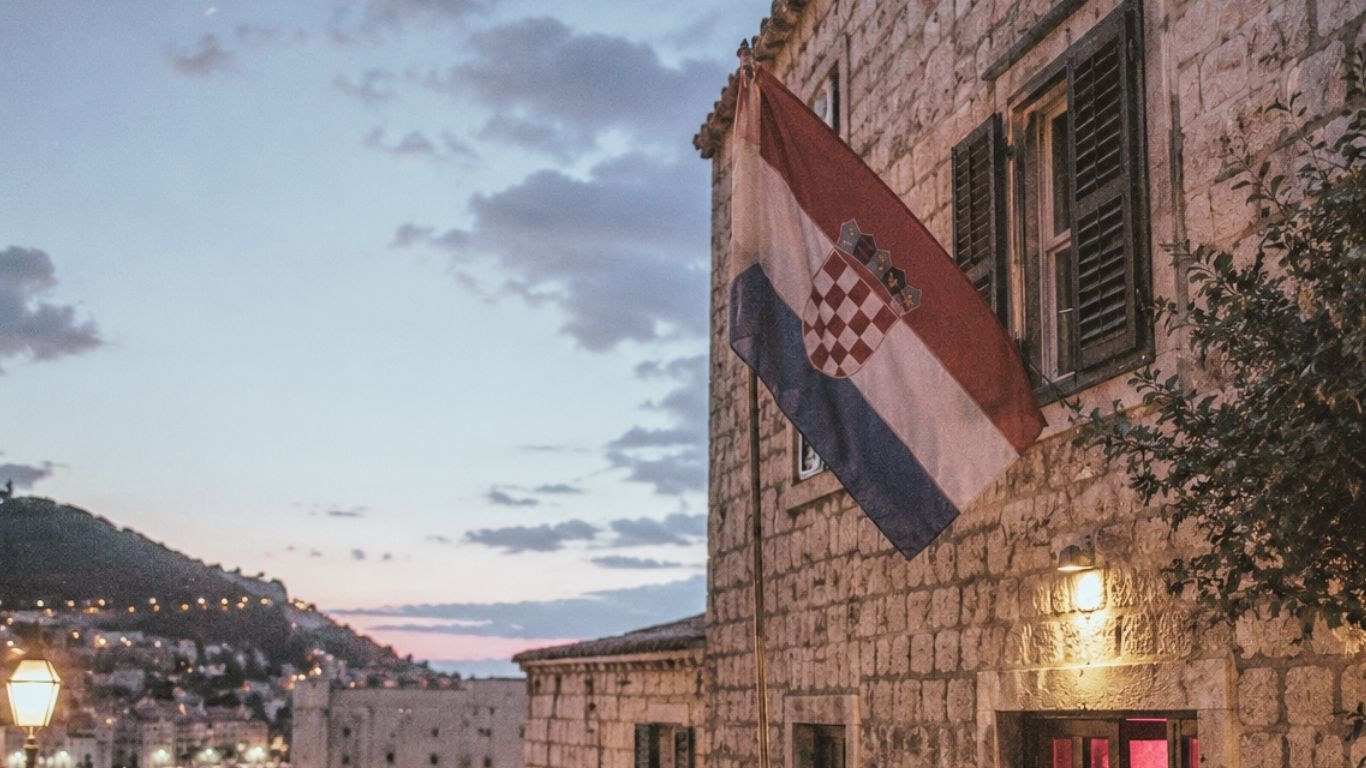
For much of the outside world, Croatia’s electronic identity has become synonymous with coastal festivals, beach stages and summer tourism. But beneath that image sits a much older club tradition, one shaped by the long arc of the night itself…
Lost beneath the country’s modern festival image is the fact that Croatia cultivated its own distinct progressive lineage alongside the better-documented UK scene.
While British progressive increasingly drifted toward polished industry infrastructure, the Adriatic club circuit surrounding institutions like Slovenia’s Ambasada Gavioli, Zagreb’s Boogaloo and Croatia’s open-air afterhours culture, as embodied by current venues like Barbarellas Discotheque, evolved around marathon sets, slower emotional pacing and deep-rooted relationships between resident DJs and local dancefloors.
Much of that philosophy still runs quietly through Croatia’s underground today, shaping artists more interested in immersion, continuity and craft than visibility alone.
This year at Balance Croatia, that lineage will once again be woven throughout the festival itself. Below are a handful of artists proudly representing different strands of evolving electronic identity, from pioneering melodic innovators to the local scene-builders quietly sustaining the culture from within.
At multi-day festivals like Balance Croatia, where the lineup runs deep, it can be easy to overlook some of the smaller names lower down the bill. We highly encourage you to make the time to discover these artists while you’re with us in Croatia this year.
Chances are, you’ll leave with a new favourite DJ.
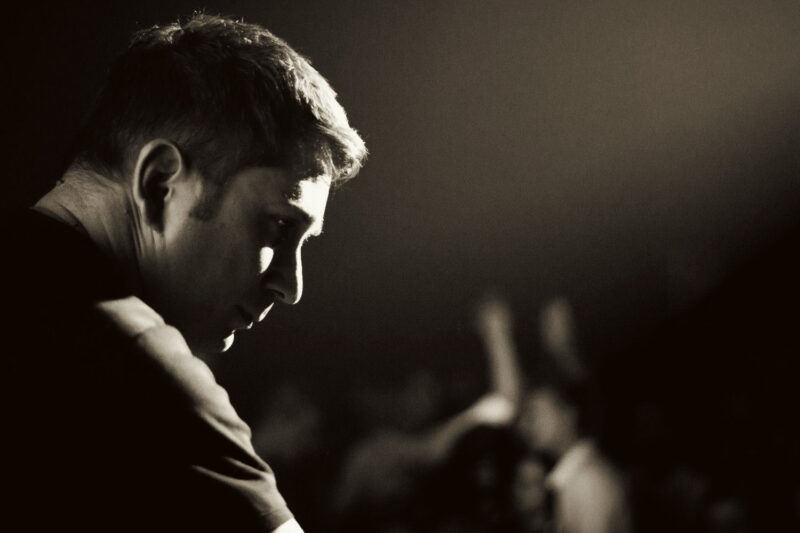
Lemon
Active since 1994, Lemon is one of the defining figures of Croatian progressive house, playing a direct role in shaping the foundations of the wider Adriatic scene.
His rise is closely tied to Ambasada Gavioli, the legendary Slovenian club whose influence stretched across the Balkans throughout the late 1990s and 2000s. It was there that Lemon’s marathon sets became woven into the musical education of an entire generation of regional clubbers.
Yet you would hardly know it outside of the Balkans. Lemon’s disinterest in the spotlight has long been matched by his instinct for directing dancefloors.
That understated presence extends well beyond the booth too. His 2007 collaboration with Shlomi Aber, “Moods,”, remixed by Valentino Kanzyani, received support from Sasha, John Digweed and Hernán Cattáneo, later appearing on compilations from Satoshi Tomiie and Carl Cox.
However, it is not simply longevity that defines Lemon’s importance. He remains deeply connected to a distinctly Balkan progressive lineage built around extended storytelling, patience and commitment to local dancefloor culture.
In a time of creeping globalisation, that feels more valuable than ever.
(And seriously, do yourself a favour and listen to his archived live sets on Soundcloud. They’re ace.)
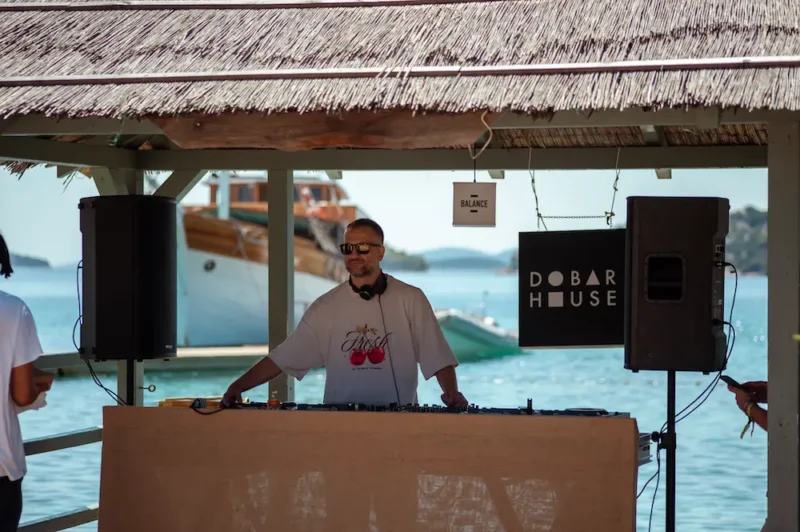
Dobar House (Tom Bug)
Last year, all our lazy afternoon sessions on The Pier were soundtracked by Dobar House, a Zagreb-born collective that has quietly become one of Croatia’s most enduring underground institutions.
Launching as a club night in 2016 under the direction of Tom Bug, the project gradually evolved into a label and wider cultural platform shaped by local clubs, resident DJs and year-round dancefloor culture. In many ways, it emerged as a counterpoint to the coastline-and-festival image that tends to overshadow Croatia’s deeper club traditions internationally.
Tom Bug himself has spent more than two decades embedded within Croatian house culture, building a reputation through both local clubs and international appearances stretching from Barbarella’s Discotheque and Revelin (Dubrovnik) to New York and Las Vegas.
Releases on labels including Get Physical Music, Snatch! Records and Soulfuric helped establish him as one of the country’s more recognisable house exports, while Dobar House allowed him to channel that experience back into the local scene itself.
That balance between local dancefloor and broader international house influences sits at the centre of the Dobar House identity.
Their sets move fluidly between deep house, disco and warmer progressive sounds, held together less by genre than by groove, warmth and a distinctly Adriatic sensibility.
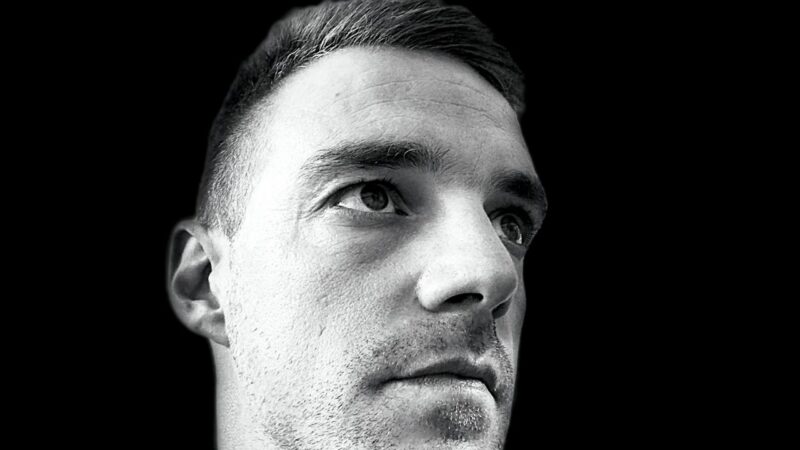
Andrologic
Unlike many contemporary artists, the reputation of Andrologic (aka Fabric of Dreams) was built long before visibility became a currency in itself.
Active within Croatia’s underground for more than 25 years, he has quietly moved through both regional and international circuits, from institutions like Boogaloo and Depo Club to appearances at festivals including Sonus, Summer3p and Labirinth.
Moving fluidly through progressive house and melodic techno, Andrologic build his sets through subtle shifts in mood and tension.
His productions, released through labels including Click Records, 3rd Avenue and Stellar Fountain, have earned support from artists such as Laurent Garnier, Hernán Cattáneo, Nick Warren and Chris Liebing.
Rather than building an identity around musical spectacle, Andrologic has spent decades refining the quieter mechanics of atmosphere and movement.
Marko Felinger
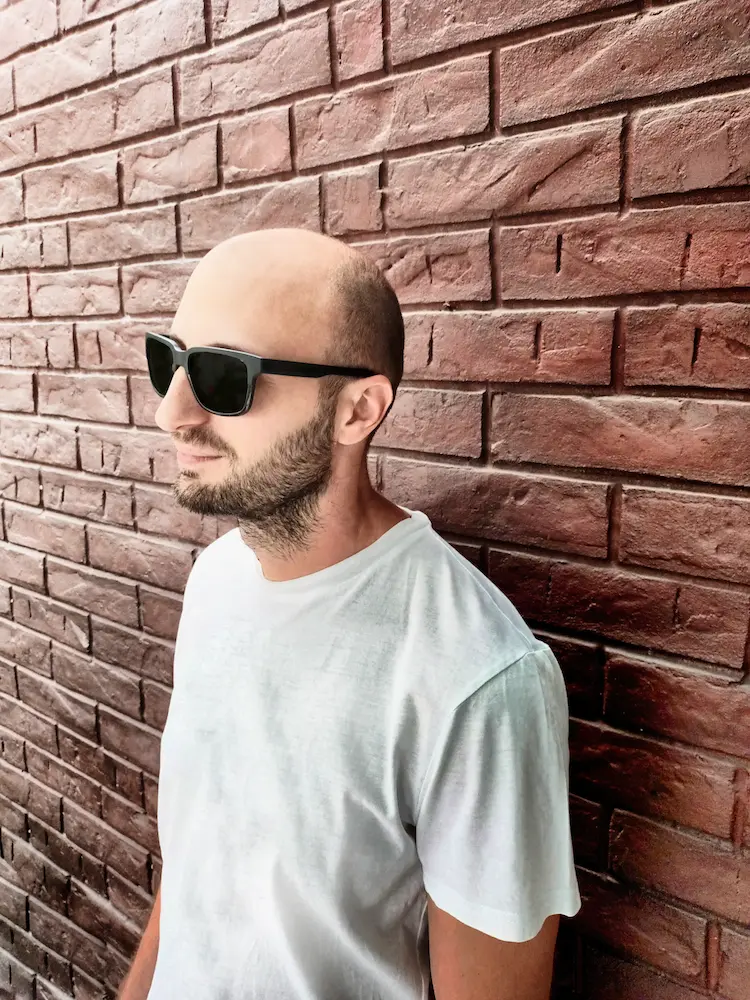
Emerging from Croatia’s eastern underground rather than its better-known coastal circuits, Marko Felinger is another tireless servant of the country’s scene.
Based in Osijek, he has spent close to two decades refining a philosophy rooted in long-form immersion.
In a recent Croatian interview, he described progressive music as “a journey or story that should be experienced as a whole,” a sentiment that neatly captures both his approach and the wider Balkan progressive tradition he belongs to.
That mindset has earned Felinger a reputation built through regional club culture and extended sets. More recently, as part of our Road To Croatia series, he helped facilitate our first event in Osijek, which also marked Anthony Pappa’s debut appearance in the city.
The evening itself felt reflective of the slow and steady work Felinger has spent years doing to help prog take root within his local scene.
It’s a sensibility you can hear clearly throughout the mix below.
Petar Dundov
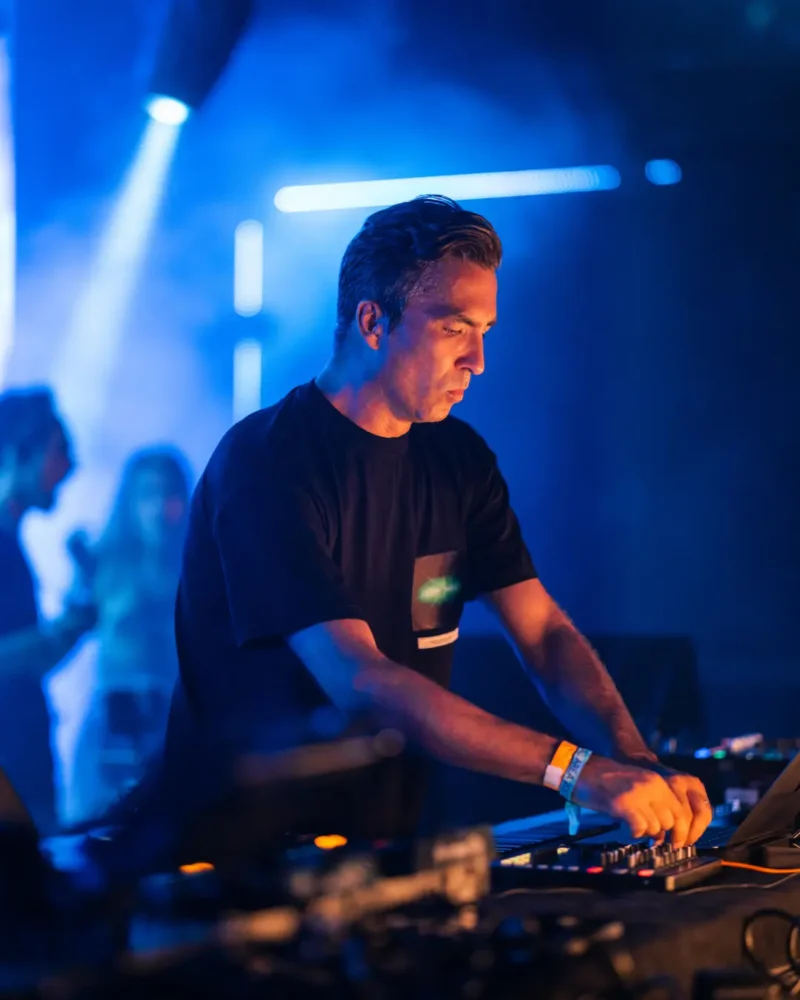
If ever there was an artist who embodied the Adriatic underground’s slow-burning approach, it is Petar Dundov.
Among the first Croatian electronic artists to achieve sustained international recognition, Dundov occupies a pioneering place within the wider Adriatic dance music tradition.
Emerging from Zagreb with a background in classical music, he built an international reputation through a sound defined by melodic richness, emotional depth and long-form composition from the very beginning.
Through releases on labels including Music Man Records, Cocoon Recordings and Intec Records, he became closely associated with a more emotional and cinematic strain of melodic techno that would go on to influence a generation of producers.
Tracks like Distant Shores (above) and Oasis became touchstone records of the 2000s, distinguished by intricate synth architecture, long-form arrangement and a rare sense of emotional openness during a period when much of techno increasingly leaned toward colder functional minimalism.
Beneath the melodic detail and technical precision lies the commitment of an artist who consistently followed his own creative instincts rather than bending toward trend cycles.
In many ways, that sense of artistic independence feels inseparable from the wider Croatian scene that developed around him.